Greatwood Golf Course Homes in Sugar Land: What You’re Really Buying
August 27, 2026
August 27, 2026
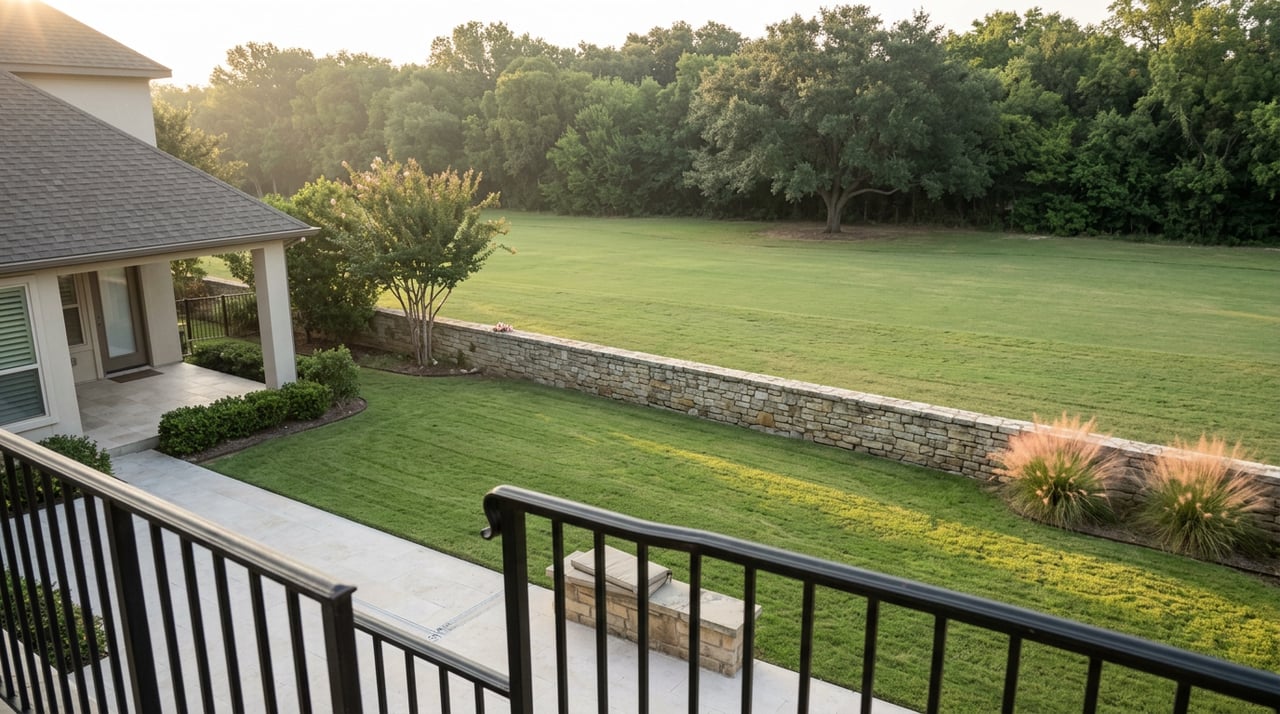
Two Greatwood listings hit the market the same week last spring. One backed to the 14th fairway. The other sat three streets over, no water view, no green space out back. The fairway home carried a noticeably higher price tag, and the buyer touring it asked the question almost everyone asks in a golf course community: what does the membership cost, and is it included?
The honest answer surprises most people. There is no membership to include. Greatwood Golf Club is a public, daily-fee course. Anyone can call the pro shop, book a tee time, and play the same 18 holes as the family whose patio looks straight down the fairway. The premium that buyer was about to pay wasn't for club access. It was for something else entirely, and understanding what that something else is changes how you should shop this neighborhood.
Greatwood Golf Club opened in 1990, designed by architect Carlton Gipson, laid out as a par-72 course threading through the master-planned community it shares a name with. It has a clubhouse with a golf shop and a bar and grill. It has water hazards, a driving range, and a reputation locally for challenging par 3s. What it does not have is a gate.
That distinction matters because plenty of golf course communities around the country bundle club membership into the cost of the home, either as a mandatory HOA add-on or a strong social expectation. Greatwood never built that structure. The course operates as a separate, public business. A homeowner on the 6th hole and a golfer who drove in from Richmond or Rosenberg for the afternoon pay the same green fee for the same tee time.
So when a listing description leans on "golf course community" language, it's accurate but incomplete. It's describing geography, not privilege.
If the fairway lot isn't buying club access, what is the buyer paying for? Three things, consistently:
These are real value drivers. A buyer who golfs three times a week and treats "steps from the first tee" as a lifestyle feature is buying something worth paying for. A buyer who assumed the price premium bought exclusivity, discounted green fees, or a private social scene is paying for something that doesn't exist here. That's the gap worth closing before you write an offer, not after.
Here's where the story gets more interesting than "golf view costs extra." Greatwood isn't one subdivision. It's 29 of them, spread across roughly 2,050 acres that developer Newland Communities built out between 1990 and 2007. Each section has its own character, and each one can carry a different annual HOA assessment.
The published range sits at roughly $800 to just over $1,000 a year, depending on which section a home falls in. That's not a golf course tax. It has nothing to do with whether a lot touches the fairway. It reflects which pools, rec centers, and common areas that particular section's dues fund, and how those costs get allocated across the neighborhood's 29 pieces.
Put plainly: a fairway home in one section and an interior home in another section might carry the same HOA line item, while two homes on the same street in different phases might not. The golf view is a separate line item from the HOA tier, and buyers who assume the two move together are pricing the wrong variable.
| What buyers often assume | What's actually true |
|---|---|
| Fairway lots include club membership | The course is public and daily-fee; anyone can book a tee time |
| HOA dues track with golf frontage | Dues vary by which of Greatwood's 29 sections the home sits in |
| One Fort Bend tax rate applies evenly | MUD and school district layers vary by section |
Fort Bend County's countywide effective property tax rate runs close to 2 percent as of 2026, but that county number is a floor, not a ceiling, for master-planned communities. Greatwood sits among the Fort Bend developments where a municipal utility district layer stacks on top of county, school, and city rates, and those MUD rates can add meaningfully to the total depending on the specific district a home falls under. Combined effective rates on typical Fort Bend homes in these master-planned sections commonly land in the 2.2 to 2.7 percent range once every layer is counted.
The practical takeaway isn't to memorize a rate. It's to pull the specific MUD number for the exact section you're considering before you compare two Greatwood listings side by side, because two homes a few blocks apart can carry different total tax burdens even at similar appraised values. The Fort Bend Central Appraisal District publishes rate information by taxing entity, and it's worth five minutes to look up before you fall in love with a fairway view.
If you're cross-shopping homes in Greatwood, the questions that actually separate a good decision from an expensive assumption are these:
None of these questions show up on a listing photo. All three show up on a closing statement.
Do you have to join the golf club to live in Greatwood? No. The course is public and open to any golfer who books a tee time, resident or not.
Does every home in Greatwood pay the same HOA fee? No. Dues vary by subdivision, with published figures ranging from roughly $800 to just over $1,000 annually depending on section.
Is Greatwood inside a MUD? Greatwood is among the Fort Bend master-planned communities where a municipal utility district layer applies on top of standard county, school, and city rates. Confirm the specific rate for your section through the Fort Bend Central Appraisal District before you finalize an offer.
Buying on the fairway in Greatwood can be exactly the right call for the right buyer. It just shouldn't be a call made on the assumption that the view comes with a club card attached. If you're comparing sections, HOA tiers, or the actual tax math on a specific address in Greatwood, Kristi Bajjali has walked enough Fort Bend closings to know which of these numbers move and which ones don't. Let's Connect before you write the offer, not after.
This article is general information, not legal, tax or financial advice. Consult a qualified professional about your situation.
Stay up to date on the latest real estate trends.
Elevating the real estate experience for clients at every stage, from first-time buyers to luxury clientele.